What crowding actually does
You load the basket, run the cycle, and pull out soggy food. The air fryer didn’t break. You just turned it into a steam chamber — and steaming and crisping are opposites.
The science of surface dehydration
Crispiness requires a dry surface. An air fryer’s fan continuously strips moisture away from the food’s exterior — the same moisture that, if left to linger, would keep the surface cool and wet. As the surface dries out, starches in potatoes or proteins in chicken skin can dehydrate, become rigid, and crisp. Without that moisture removal, you just get hot, steamed food with a soft exterior.
Why trapped steam kills crispiness
As food cooks, it releases moisture as steam. In a well-spaced basket, the fan whisks that steam away almost immediately. As Harold McGee explains in On Food and Cooking, a wet surface must lose moisture before it can rise above 100°C — evaporating water absorbs 2,260 J/g of energy that would otherwise go into heating the surface. That’s why surface moisture above ~10% blocks Maillard browning entirely: all the energy goes into driving off water, not into browning.
Pack the basket too tight and the steam has nowhere to go. The pieces block airflow, the steam accumulates between them, and the local humidity spikes. The air fryer is now running at temperature, but the food is steaming. Once the air around the food is saturated, moisture can’t evaporate from the food surface — the dehydration process stops, and so does crisping.
The practical fix
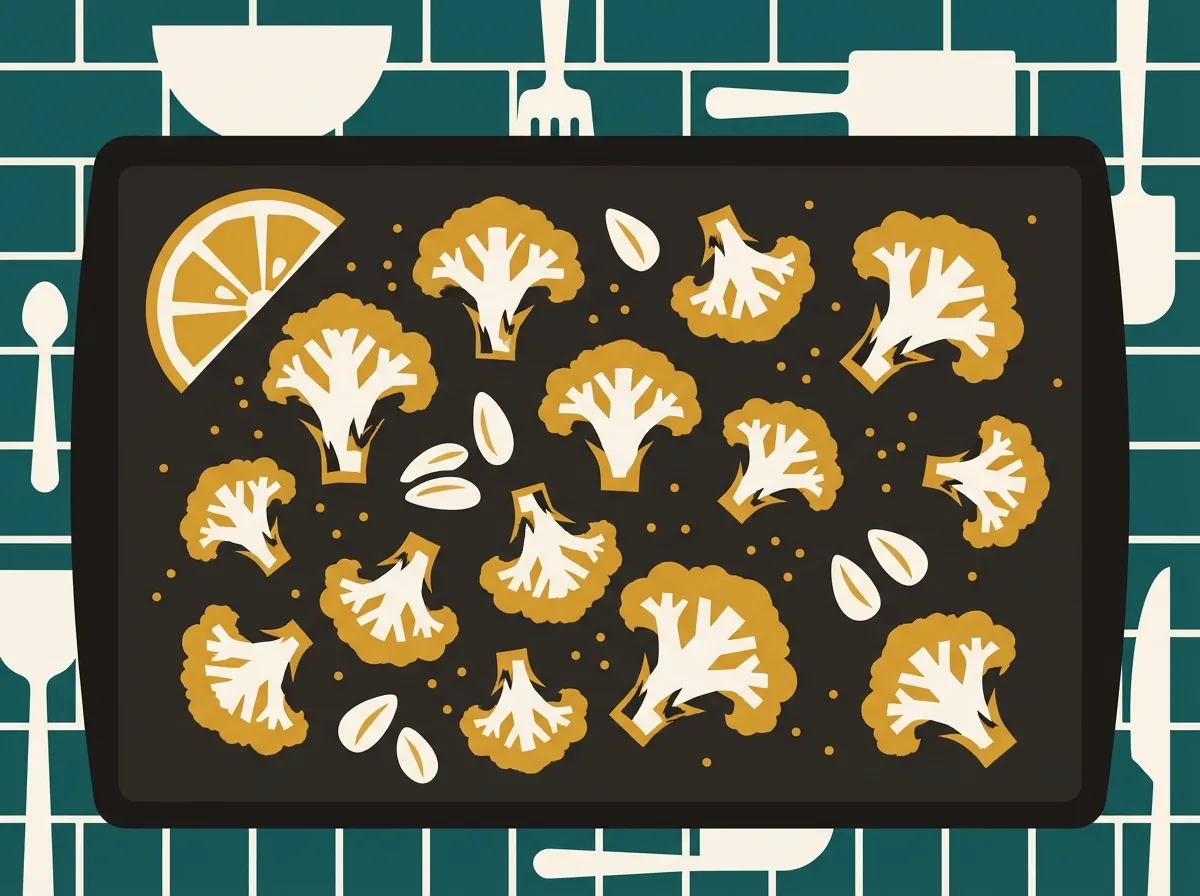
Single layer, space between pieces, no stacking. If there’s more food than fits comfortably, cook in batches — two good batches beat one soggy one. Patting food dry before it goes in helps too: removing surface moisture before cooking gives the crust a head start. Patting removes roughly 5–15 g of surface moisture per 500 g of protein, which meaningfully speeds up crust formation.
Sources
- Harold McGee, On Food and Cooking (2004)