Pressure Cooker Beginner 35 min

Pressure Cooker Chicken Thighs

Perfectly Tender in 12 Minutes

Chicken thighs seared in sauté mode, then pressure cooked for 15 minutes. Tender meat and reduced cooking juices to spoon over.

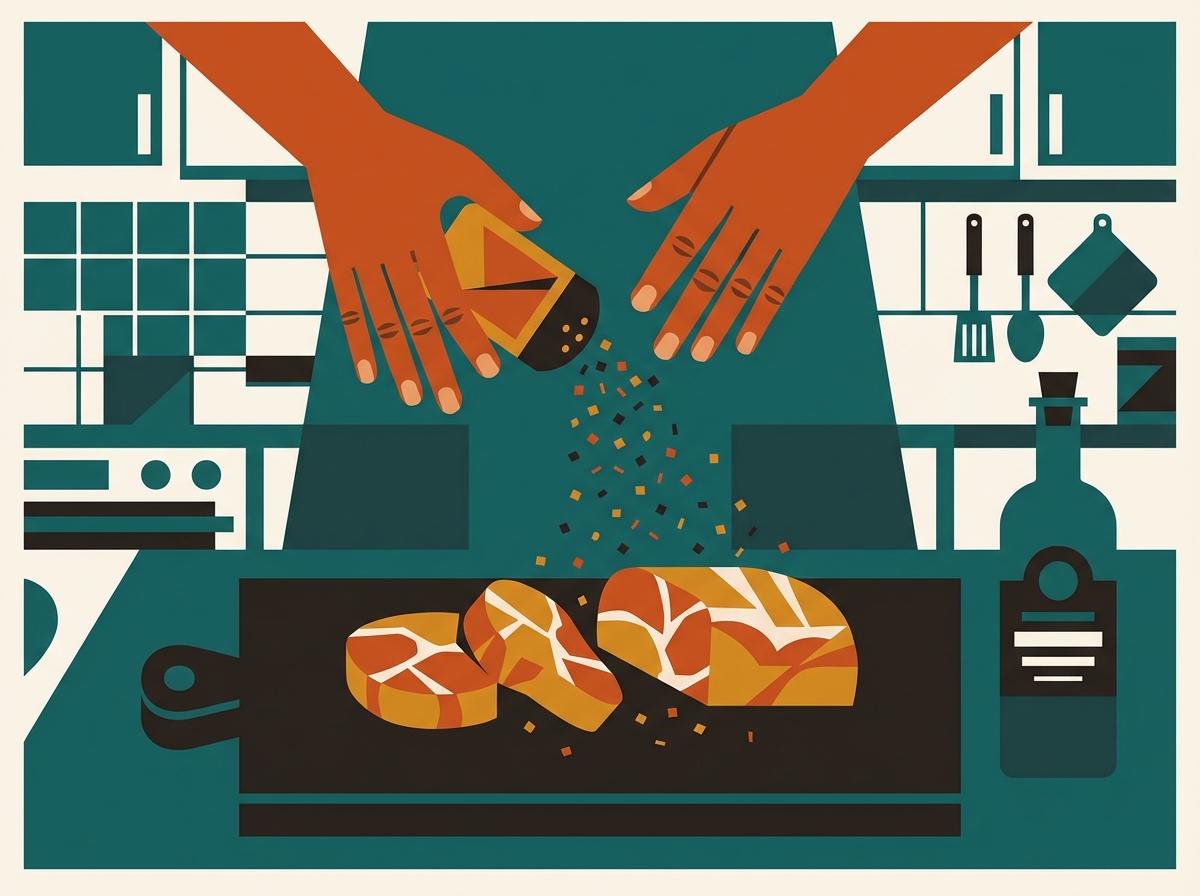
Pressure Cooker Chicken Thighs illustration

Steps

  1. 01

    Combine the smoked paprika, Italian herbs, salt, and pepper. Rub the spice mix generously all over the chicken thighs. Dice the onion and crush the garlic.

  2. 02

    Set the pressure cooker to high sauté mode. Sear the thighs skin-side down for 3 to 4 minutes without moving them, until they release easily. Flip and sear 2 more minutes. Set aside.

  3. 03

    In the same pot, cook the onion and garlic for 2 minutes, scraping up any browned bits. Return the chicken thighs to the pot, pour in the chicken broth, close the lid and seal the valve.

  4. 04

    Cook at high pressure for 15 minutes.

  5. 05

    Let the pressure release naturally for 10 minutes, then manually release any remaining pressure. Serve the thighs with the cooking juices spooned over top.


Why it works

How does a pressure cooker cook food so much faster?

A sealed pressure cooker traps steam and raises the boiling point of water from 100°C to about 120°C. That extra 20 degrees accelerates every cooking process — collagen breaks down into gelatin, starches gelatinize, and proteins set faster. What takes 3 hours in the oven takes under 40 minutes under pressure.

Read the full article →

What happens to shrimp protein when it cooks?

When shrimp cooks, heat causes its proteins to unfold from their folded 3D shapes — a process called denaturation. The unfolding releases a bound pigment (astaxanthin), turning the flesh pink, and causes the proteins to bond into a tighter network, making the flesh firm and opaque. This happens fast, which is why shrimp overcooks so easily.

Read the full article →

Why can't you brown meat in a pressure cooker?

The Maillard reaction requires a dry surface and temperatures above 140°C. A sealed pressure cooker is full of steam and never exceeds 120°C, so browning is chemically impossible inside the pot. You need to sear the meat in a hot pan before pressure cooking — the flavors survive and end up in the sauce.

Read the full article →
Frequently Asked Questions
How long do you pressure cook chicken thighs?

15 minutes at high pressure, then 10 minutes of natural release. About 35 minutes total with searing and prep. Bone-in thighs need the full 15 minutes; boneless can go as low as 10. The natural release matters because it lets the muscle fibers relax and reabsorb moisture.

Should I use bone-in or boneless chicken thighs?

Bone-in, skin-on thighs give you the best result. The bone adds collagen that breaks down into gelatin under pressure, making the meat more tender and the cooking liquid richer. The skin provides a good searing surface for browning flavor. Boneless works too, but drop the cook time to 10 minutes.

Why sear chicken thighs before pressure cooking?

Searing triggers the Maillard reaction on the skin and surface, producing hundreds of flavor compounds that pressure cooking alone can't create. The browned bits (fond) left in the pot dissolve into the cooking liquid under pressure, which is what gives the sauce its depth. Skip the sear and the chicken is tender, but the flavor falls flat.

Can I cook frozen chicken thighs in a pressure cooker?

Yes. Add 5 minutes to the cook time (20 minutes total at high pressure). Place frozen thighs on a trivet above the liquid so they don't block steam circulation. You can't sear them first, so the flavor will be milder. For the best result, thaw and sear.

How do I know when pressure cooker chicken is done?

Internal temperature should reach 74°C (165°F). Use an instant-read thermometer to check. At 15 minutes high pressure, bone-in thighs typically hit 85 to 90°C, well above the safety threshold. The meat should pull away from the bone easily with no pink near the joint.

Natural release or quick release for chicken thighs?

Natural release for at least 10 minutes. Quick release causes a rapid pressure drop that tightens muscle fibers, squeezing out moisture and drying the meat. Natural release lets the temperature come down gradually, keeping the chicken juicy. After 10 minutes, release any remaining pressure manually.

What should I serve with pressure cooker chicken thighs?

The cooking juices make a ready-made sauce. Spoon them over rice, mashed potatoes, or polenta. For vegetables, roasted broccoli, steamed green beans, or a simple salad with vinaigrette all work. The smoky paprika seasoning goes well with roasted root vegetables or buttered egg noodles.

Can I make a gravy from the cooking liquid?

Yes. After removing the chicken, switch to sauté mode and reduce the liquid by half. The gelatin from the bones and the fond from searing concentrate into a rich, glossy sauce. For a thicker gravy, whisk in 1 tablespoon of cornstarch mixed with 2 tablespoons of cold water, then simmer for 1 minute.

1 / 5
01

Combine the smoked paprika, Italian herbs, salt, and pepper. Rub the spice mix generously all over the chicken thighs. Dice the onion and crush the garlic.

Chicken thighs 900 g
Smoked paprika 5 ml
Italian herbs 5 ml
Salt 5 ml
Black pepper 2 ml
Onion 1 unit
Garlic 4 unit