Complete oven temperature conversion chart (°F to °C to gas mark), convection adjustment guide, and cooking times for common proteins and vegetables.
Most recipes written before 2010 use Fahrenheit; most European recipes use Celsius. Gas marks are still common in older British cookbooks. This guide covers all three plus the adjustments needed when using convection (fan-assisted) mode.
UK recipes use gas marks; most modern ovens have a fan (convection) setting that runs hotter than conventional. This table covers all three alongside Fahrenheit so you can follow any recipe regardless of origin.
| Gas Mark | Conventional °C | Fan Oven °C | Fahrenheit | Description |
|---|---|---|---|---|
| ¼ | 110°C | 90°C | 225°F | Very cool |
| ½ | 130°C | 110°C | 250°F | Cool |
| 1 | 140°C | 120°C | 275°F | Very low |
| 2 | 150°C | 130°C | 300°F | Low |
| 3 | 170°C | 150°C | 325°F | Moderately low |
| 4 | 180°C | 160°C | 350°F | Moderate |
| 5 | 190°C | 170°C | 375°F | Moderately hot |
| 6 | 200°C | 180°C | 400°F | Hot |
| 7 | 220°C | 200°C | 425°F | Very hot |
| 8 | 230°C | 210°C | 450°F | Very hot |
| 9 | 240°C | 220°C | 475°F | Extremely hot |
Fan oven rule of thumb: reduce conventional temperature by 20°C (about 25°F), or reduce cooking time by 10–15%. Apply only one — both together overcorrects.
| Description | °F | °C | Gas Mark |
|---|---|---|---|
| Very low | 250°F | 120°C | Gas ½ |
| Low | 300°F | 150°C | Gas 2 |
| Moderately low | 325°F | 165°C | Gas 3 |
| Moderate | 350°F | 175°C | Gas 4 |
| Moderately hot | 375°F | 190°C | Gas 5 |
| Hot | 400°F | 200°C | Gas 6 |
| Hot | 425°F | 220°C | Gas 7 |
| Very hot | 450°F | 230°C | Gas 8 |
| Very hot | 475°F | 245°C | Gas 9 |
| Broil / Grill | 500°F+ | 260°C+ | Gas 10 |
Older cookbooks — especially British and Australian ones — describe oven heat in words rather than numbers. Here's what each term translates to in modern oven settings.
| Term | What it means |
|---|---|
| Very cool oven | A very cool oven is 110–130°C (225–250°F), gas mark ¼–½. Used for meringues, slow-drying fruit, and keeping cooked food warm. Too low for most baking. |
| Cool oven | A cool oven is 140–150°C (275–300°F), gas mark 1–2. Used for slow-cooked casseroles, rich fruit cakes, and very gentle baking where browning is not wanted. |
| Moderately slow oven | A moderately slow oven is 160–170°C (325°F), gas mark 3. Used for rich cakes, custards, and dishes that need gentle even cooking without deep browning. |
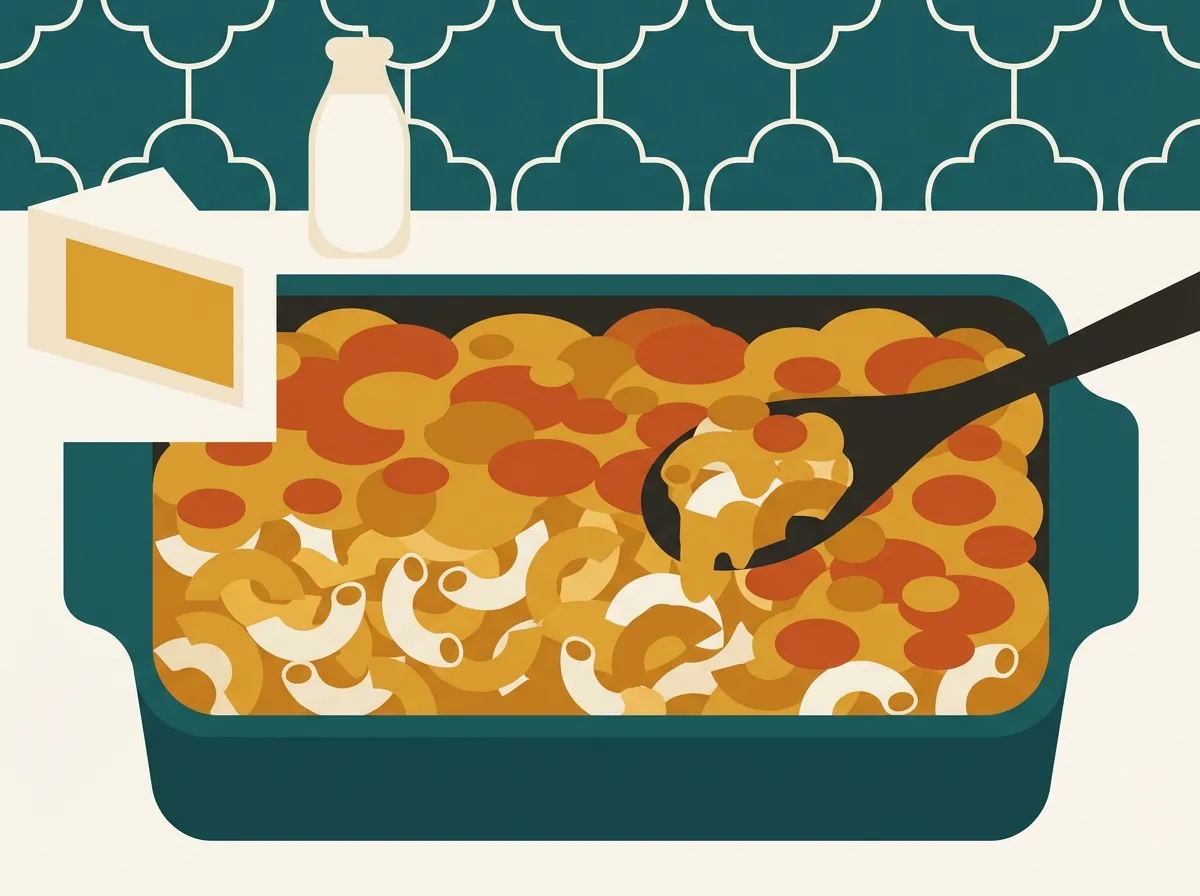
| Moderate oven | A moderate oven is 180°C (350°F), gas mark 4. This is the default temperature for most everyday baking — sponge cakes, cookies, baked pasta, and many casseroles. |
| Moderately hot oven | A moderately hot oven is 190°C (375°F), gas mark 5. Used for roasting vegetables, baking bread, and recipes that want a golden crust without aggressive browning. |
| Hot oven | A hot oven is 200–220°C (400–425°F), gas mark 6–7. Used for roasting chicken, pastries, pizza, and anything that needs a crisp exterior and fast cooking. |
| Very hot oven | A very hot oven is 230°C (450°F), gas mark 8. Used for high-heat roasting, bread with a hard crust, and searing joints of meat at the start of a roast. |
| Extremely hot oven | An extremely hot oven is 240°C (475°F) or above, gas mark 9 and higher. Used for pizza, flatbreads, and anything that benefits from intense short bursts of heat. |
| Conventional Setting | Convection Temp | Convection Time | Notes |
|---|---|---|---|
| 350°F / 175°C | 325°F / 165°C | Same time | Baked goods — reduce temp |
| 400°F / 200°C | 375°F / 190°C | Reduce by ~20% | Roasting — temp and time |
| 425°F / 220°C | 400°F / 200°C | Reduce by ~20% | High-heat roasting |
| Any temperature | Same temp | Reduce by 25% | Reduce time, not temp |
Apply one adjustment only — either reduce temperature by 25°F / 15°C OR reduce time by 25%. Applying both overcorrects.
| Food | Temp | Time | Doneness |
|---|---|---|---|
| Chicken, whole (4 lb) | 425°F / 220°C | 60–75 min | 165°F / 74°C thigh |
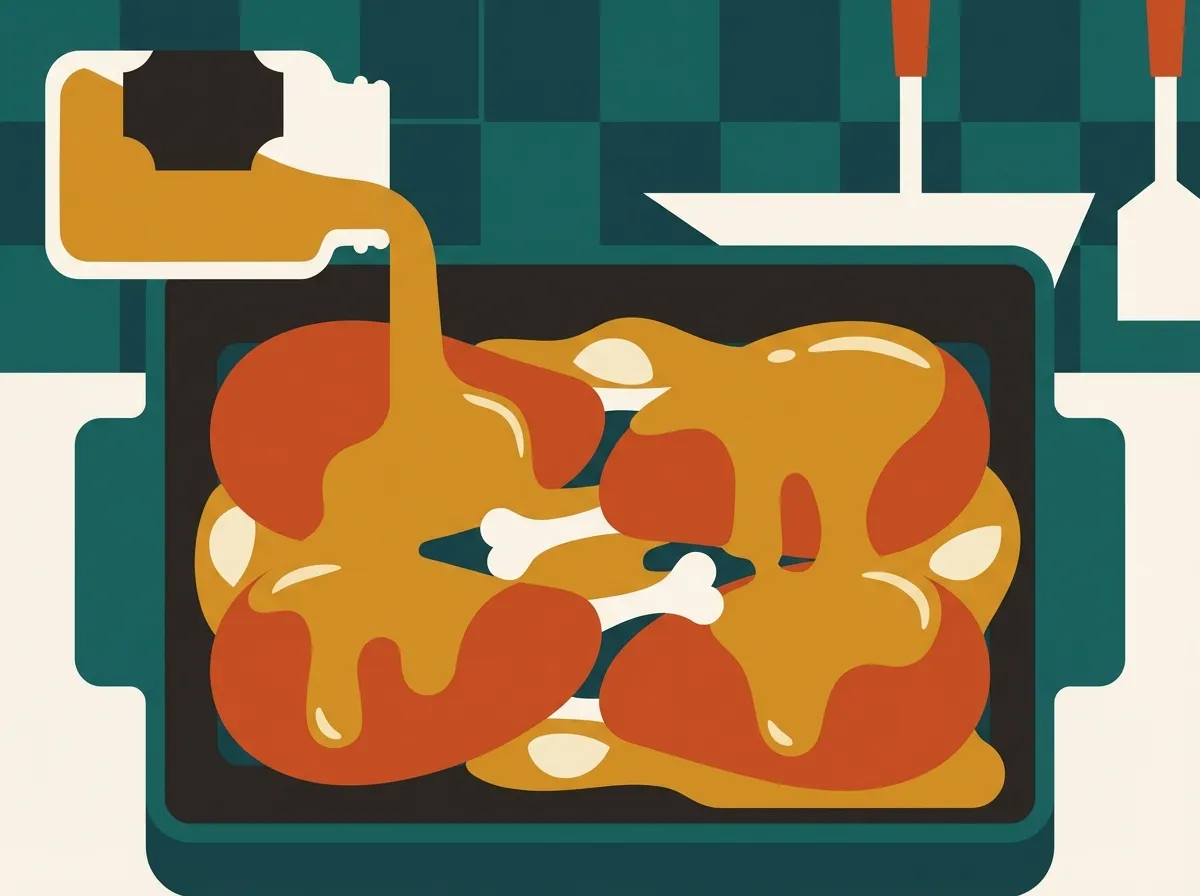
| Chicken thighs, bone-in | 425°F / 220°C | 35–45 min | 165°F / 74°C |
| Chicken drumsticks | 425°F / 220°C | 35–40 min | 165°F / 74°C |
| Salmon fillet (1 inch) | 400°F / 200°C | 12–15 min | Opaque, flakes |
| Whole fish (2 lb) | 400°F / 200°C | 25–30 min | Flesh pulls from bone |
| Pork tenderloin | 425°F / 220°C | 20–25 min | 145°F / 63°C, rest 5 min |
| Pork loin roast (2 lb) | 350°F / 175°C | 60–75 min | 145°F / 63°C |
| Sheet pan shrimp | 400°F / 200°C | 8–10 min | Pink and curled |
| Vegetable | Temp | Time | Notes |
|---|---|---|---|
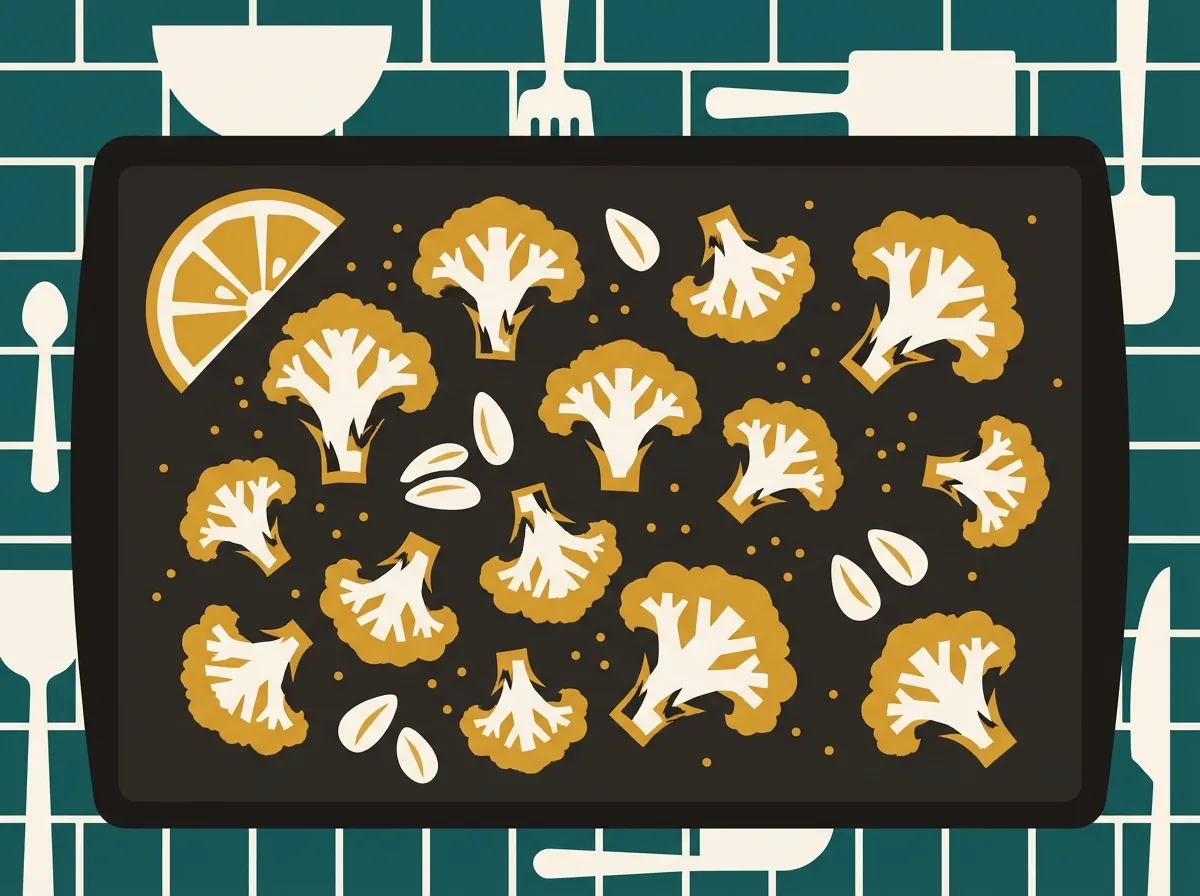
| Cauliflower florets | 425°F / 220°C | 25–30 min | Shake halfway |
| Broccoli florets | 425°F / 220°C | 20–25 min | |
| Brussels sprouts, halved | 400°F / 200°C | 25–30 min | Cut side down |
| Sweet potato wedges | 400°F / 200°C | 30–35 min | |
| Mixed sheet pan veg | 425°F / 220°C | 20–30 min | Cut uniform size |
| Whole garlic head | 400°F / 200°C | 40–45 min | Wrapped in foil |
Gas mark 6 is 200°C (400°F) in a conventional oven, or 180°C in a fan oven. It's described as 'hot' and is the standard temperature for roasting chicken, baking pastries, and most sheet-pan vegetables. Most British recipes default to gas mark 6 for roasting.
200°C in a conventional oven is 180°C in a fan oven. Fan ovens circulate hot air and cook faster, so reduce the conventional temperature by about 20°C — or keep the same temperature and reduce the cooking time by 15–20%. Apply only one adjustment.
Gas mark 6 in a fan oven is 180°C (about 350°F fan). The equivalent conventional setting is 200°C / 400°F. Fan ovens run 20°C cooler than conventional at the same browning effect, so the gas mark stays the same but the °C drops.
400°F in a fan oven is 180°C. 400°F is 200°C conventional, and fan ovens run 20°C lower for the same cooking effect. If you don't want to adjust the temperature, keep it at 200°C and reduce the cooking time by 15–20% instead.
A moderate oven is 180°C (350°F), gas mark 4 — 160°C in a fan oven. It's the default temperature for most everyday baking: cakes, cookies, baked pasta, casseroles, and anything that needs steady even heat without aggressive browning.
175°C is 347°F, which almost every recipe rounds to 350°F. 175°C equals 155°C in a fan oven and is close to gas mark 4. This is one of the most common baking temperatures — equivalent to a 'moderate' oven.
300°F is 150°C, or 130°C in a fan oven. It's gas mark 2 — a 'cool' oven. This temperature is used for slow roasts, rich fruit cakes, and gentle baking where you want even cooking without any browning.
Reduce the temperature by 25°F (15°C) and keep the same time, or keep the same temperature and reduce the time by 25%. Apply one adjustment only. Convection circulates hot air and cooks faster and more evenly than conventional — both adjustments together overcorrects.
Most ovens signal 'ready' when the air temperature reaches the target, but the oven walls and rack still need 10 to 15 more minutes to fully absorb heat. For anything you want even browning on — bread, cookies, roasts — wait 15 minutes after the preheat signal before putting food in.
Every oven has hot spots — areas where the heating element is closer or where air circulation is stronger. The back of most ovens runs hotter than the front. Rotate pans 180° halfway through cooking and avoid the top rack for anything that browns easily.
Bake uses all heating elements (top and bottom) to surround food with even heat — used for most cooking. Broil uses only the top element at maximum heat to brown and char the surface — used for finishing dishes, melting cheese, or caramelizing the top of a gratin. Most ovens run 500–550°F under broil.