Sous Vide Beginner 61 min

Sous Vide Perfect Eggs

63°C / 145°F, 1 Hour

Eggs with a tender, just-set white and a jammy, flowing yolk. A texture only possible with precise temperature control.
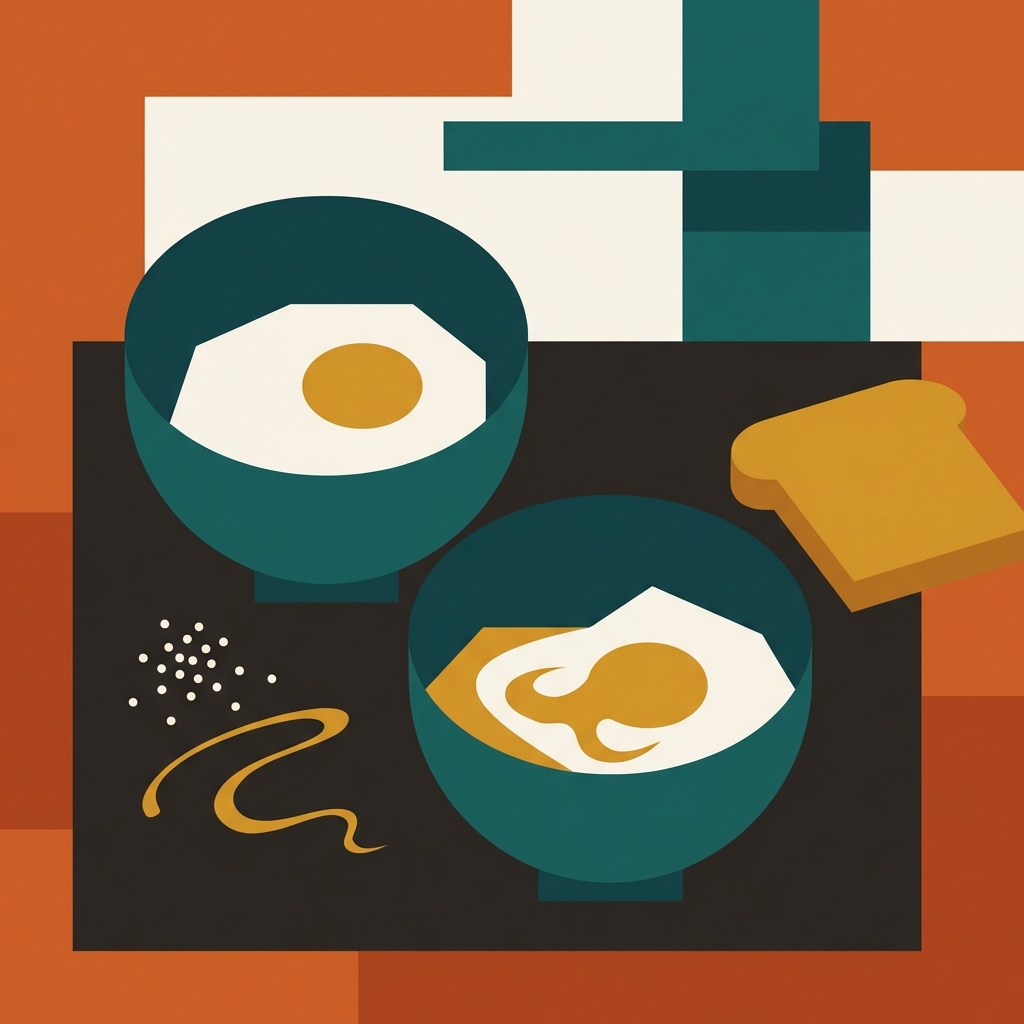
Sous Vide Perfect Eggs illustration

Steps

  1. 01

    Fill your sous-vide container with water and set the circulator to 63°C (145°F). Allow the water to reach temperature before adding the eggs — this takes about 5 minutes.

  2. 02

    Using a slotted spoon, gently lower the eggs directly into the water bath in their shells. No bag needed — the shell is the seal. Make sure they are fully submerged.

  3. 03

    Cook for exactly 60 minutes at 63°C. Don't go under 55 minutes (the white won't fully set) or over 75 minutes (the yolk starts to firm up).

  4. 04

    Crack each egg into a small bowl or directly onto toast. Season with a pinch of salt and a light drizzle of olive oil. The white will be fully set but tender; the yolk warm, jammy, and flowing.

Why it works

Why does 2 degrees make such a big difference in sous-vide?

Different proteins in meat set at different temperatures. Myosin — which keeps meat juicy — sets at 50–54°C. Actin — which makes meat dry and chewy — sets above 65°C. A 2°C difference can mean crossing one of these thresholds entirely. You're not just 'more cooked,' you're triggering a different texture.

Read the full article →

Is sous-vide chicken at 60°C actually safe to eat?

Yes, if held long enough. Pasteurization is a function of time multiplied by temperature, not temperature alone. At 60°C, holding chicken for 12 minutes achieves the same 5-log Salmonella reduction as the instant-kill method at 74°C. Lower temperature plus longer hold time equals the same food safety result.

Read the full article →

What happens to shrimp protein when it cooks?

When shrimp cooks, heat causes its proteins to unfold from their folded 3D shapes — a process called denaturation. The unfolding releases a bound pigment (astaxanthin), turning the flesh pink, and causes the proteins to bond into a tighter network, making the flesh firm and opaque. This happens fast, which is why shrimp overcooks so easily.

Read the full article →
Frequently Asked Questions
What temperature should I set for sous vide eggs?

63°C (145°F) gives you the classic result: a just-set, tender white with a warm, jammy yolk. Lower temperatures like 60°C leave the white too soft to hold together. Higher temperatures like 75°C set the yolk solid, closer to a hard-boiled egg. Every degree between 60 and 80 produces a noticeably different texture.

How long do you cook sous vide eggs?

60 minutes at 63°C. The timing is forgiving: anywhere from 55 to 75 minutes works. Below 55 minutes the white won't set enough; above 75 the yolk starts firming up. Unlike most sous vide cooking, eggs don't improve with longer times.

Can you sous vide eggs in the shell?

Yes, that's the standard method. The shell works as a natural sealed container, so no bag is needed. Lower the eggs directly into the water bath with a slotted spoon and make sure they're fully submerged.

What's the difference between a 63°C and 75°C sous vide egg?

At 63°C, ovotransferrin (the first egg white protein to set) coagulates into a tender, custard-like texture while the yolk stays liquid. At 75°C, all the white and yolk proteins denature fully, giving you something closer to a hard-boiled egg but creamier because the temperature never overshoots.

Are sous vide eggs safe to eat?

Yes. At 63°C for 60 minutes, Salmonella is reduced to safe levels through pasteurization. What matters is sustained time at temperature: 63°C held for an hour achieves the same pathogen reduction as 75°C for a few seconds. The egg is both pasteurized and cooked.

Can I batch cook sous vide eggs for meal prep?

Yes. Cook a batch of 6 to 12 eggs, chill them rapidly in ice water, and refrigerate in their shells for up to 5 days. To reheat, drop them back in a 63°C bath for 15 minutes or run them under hot tap water for 3 minutes. They won't overcook during reheating.

What do you serve with sous vide eggs?

Thick toast with flaky salt and olive oil is the classic. They also work on ramen, grain bowls, avocado toast, or a simple salad. The flowing yolk acts as a built-in sauce, so anything that benefits from a rich, runny egg is a good match.

Why is my sous vide egg white still runny?

Your water temperature is too low or the cook time was too short. At exactly 63°C, the outer white sets but the inner white stays slightly soft. That's normal and intentional. If the entire white is loose and watery, check your circulator's calibration with a separate thermometer. Even 1°C below target makes a real difference at these temperatures.

1 / 4
01

Fill your sous-vide container with water and set the circulator to 63°C (145°F). Allow the water to reach temperature before adding the eggs — this takes about 5 minutes.